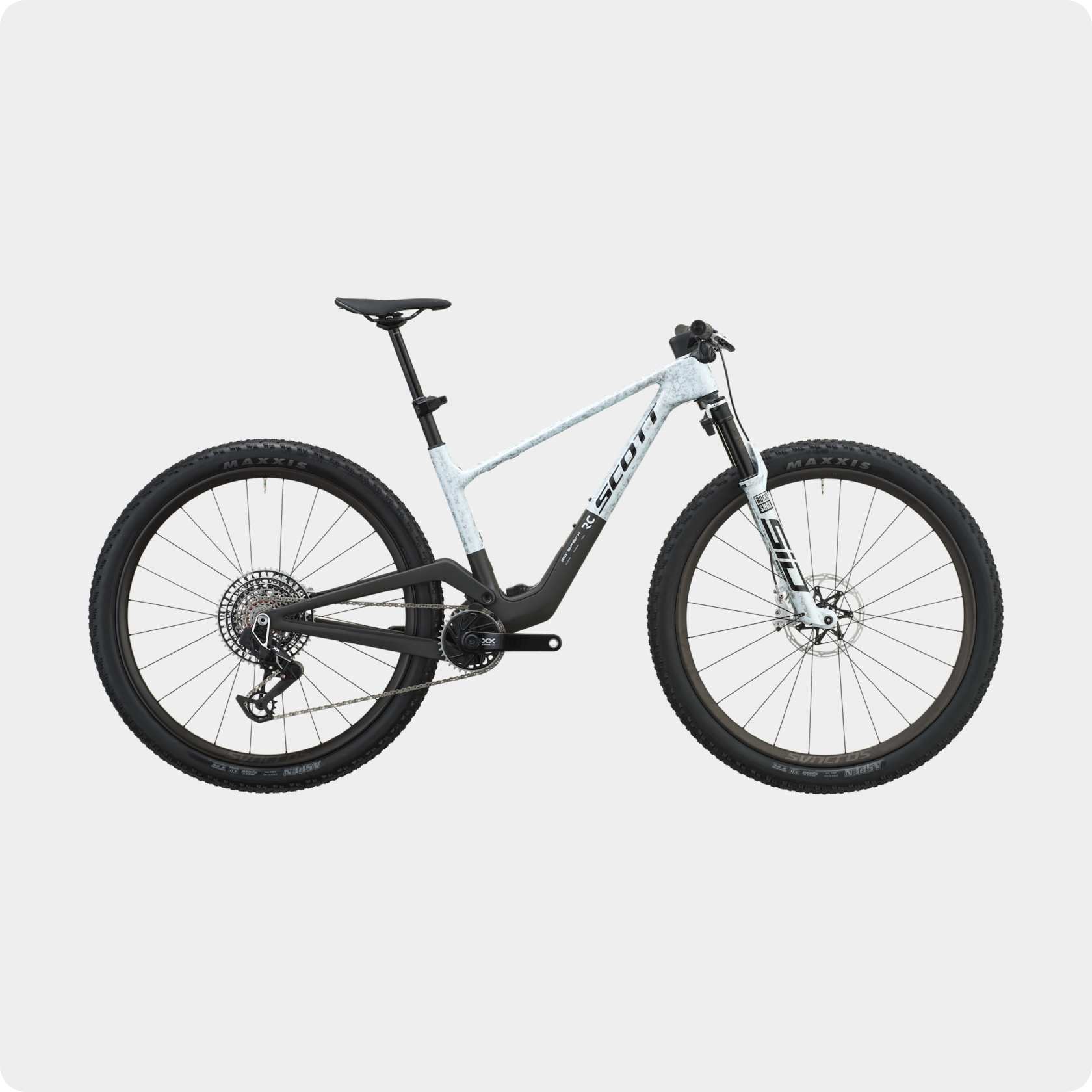
The 2027 Scott Spark RC reimagines the most successful XC race platform ever built. A new inverted flex pivot suspension hides deeper in the frame, shedding 200g while adding RockShox Flight Attendant electronics that read the trail in real time.
The Most Significant Redesign in Spark RC History
The Scott Spark RC has won more elite cross-country races than any other mountain bike, and the 2027 generation marks the most complete overhaul the platform has seen since the shock first disappeared inside the frame five years ago. The range spans from accessible alloy-wheeled builds to the World Cup EVO raced by the SCOTT-SRAM MTB Racing team, all sharing the same frame design and suspension philosophy across three carbon layups.
The previous Spark ran a single pivot with a linkage-driven shock positioned higher in the seat tube. The 2027 Spark RC introduces an inverted flex pivot layout instead, with a short link rotating around the bottom bracket rather than further up the frame. The result is a progressive leverage curve that increases stiffness through the travel, higher and more consistent anti-squat under power, and kinematics that borrow more from trail bikes than from traditional XC race geometry. Scott also resolved one of the previous generation’s most criticised elements, its proprietary shock and TwinLoc remote, opening the new frame to full compatibility with standard inline XC shocks.
Lighter, despite doing more
Moving the shock deeper into the downtube, where the frame was already reinforced against pedalling forces, let Scott shed weight without adding fragility. The lightest HMX-SL frame comes in roughly 200 grams below its predecessor, and the lower shock placement centralises mass within the chassis, sharpening cornering precision and stability on technical terrain rather than simply chasing a number on a scale.
The standout technology across the higher end of the range is RockShox Flight Attendant, a wireless electronic suspension system that configures itself in real time, automatically switching between Lockout, Pedal and Descend modes without rider input. It functions less like a suspension setup and more like an extension of the rider’s instincts, holding traction and stability through sections where a manually locked-out XC bike would lose composure. Scott and RockShox have pushed this technology further down the range than most competitors manage, making electronically adaptive suspension available well below flagship pricing.
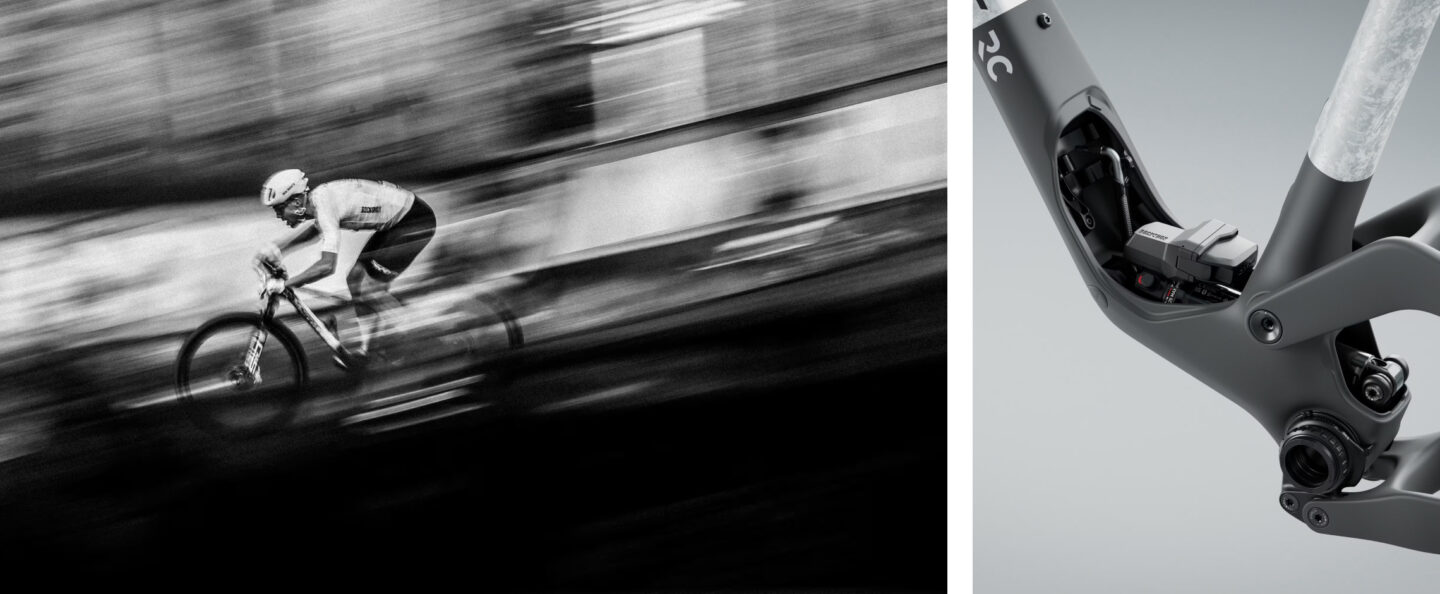
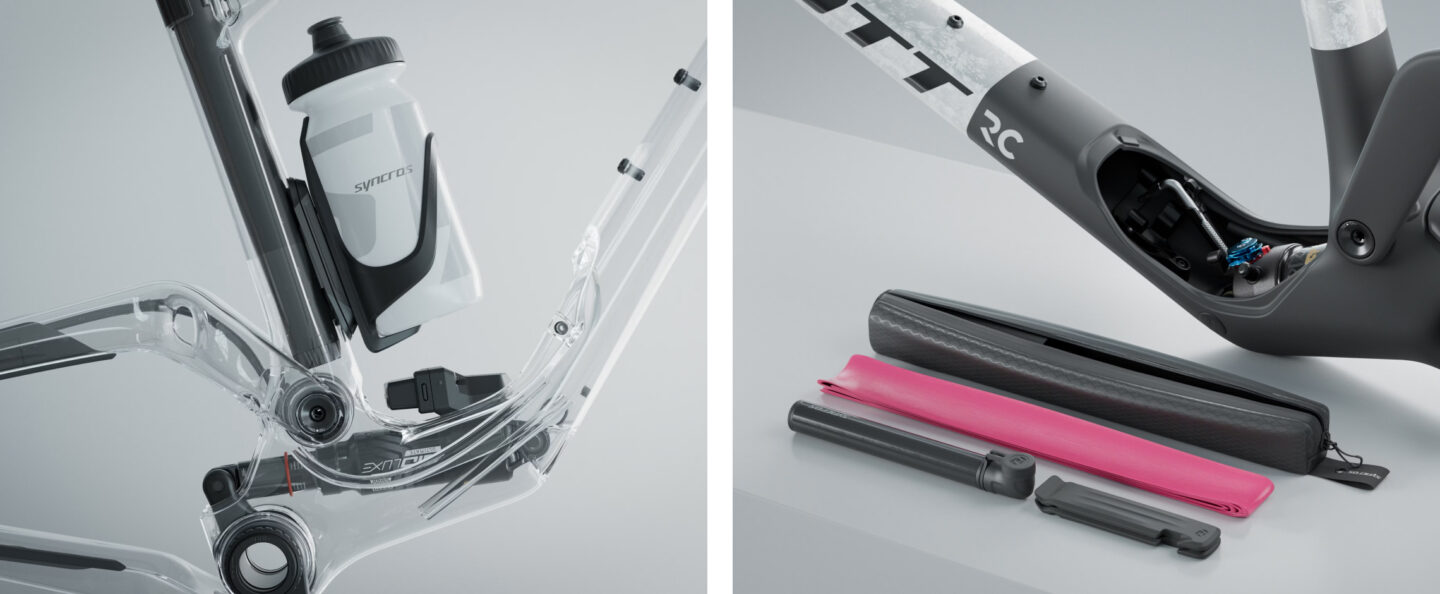
Geometry sits a notch slacker across the board, and a shortened seat tube means every frame size fits at least a 150mm dropper post. Magnetic and clipped frame covers give direct access to the shock and internal cabling, while Syncros OCT routes every cable through dedicated, colour-coded ducts from the headset down through the frame, removing the guesswork from setup and keeping every build serviceable. Select models carry Scott’s Save the Day storage, an integrated bag for a tube, pump and tire levers, alongside a dedicated multitool built directly into the frame for trailside adjustments.
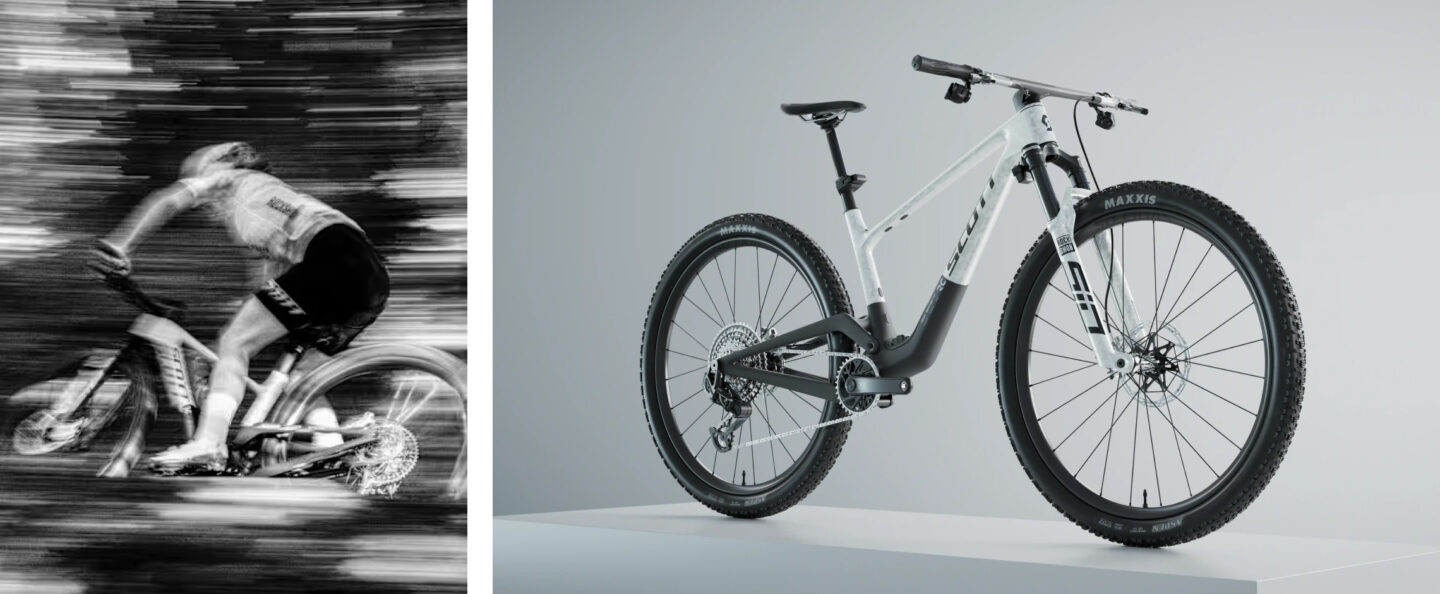
The Spark RC 2027 range runs from racers chasing World Cup podiums to riders who simply want race-bred geometry and a suspension platform built without compromise. Whichever build sits in the line-up, the underlying frame, suspension kinematics and feature set stay consistent, only the componentry and carbon layup shift to match the rider.