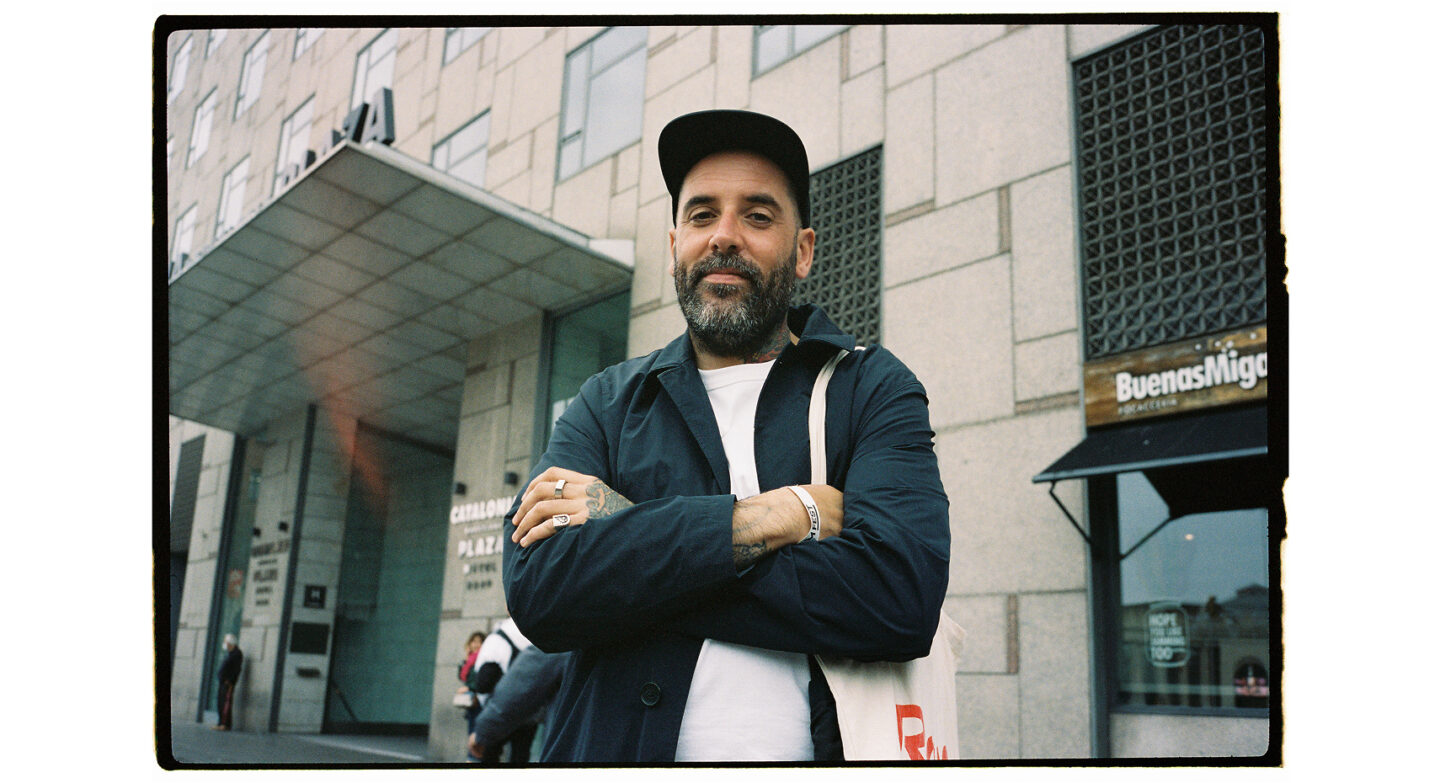
Brazo de Hierro left graffiti for photography and found cycling along the way. Based near Barcelona, he shoots grain, movement and imperfection instead of the polished codes of sports photography. For our first interview, he talks about his craft, his bikes and the roads around Barcelona worth riding.
For its first interview, Monoro wanted to meet someone with a very particular eye, someone who brings together two worlds he’s passionate about: image and bicycle. Brazo de Hierro, a photographer based in the province of Barcelona, moves away from the usual codes of cycling photography to focus on emotion, imperfection and all the moments that happen around the race.
A former graffiti artist, Brazo de Hierro came to photography almost by chance. Over the years he has built a personal eye: sincere, instinctive and deeply human.
We meet at Wattios Coffee, in Terrassa, three days before the Tour de France’s grand départ from Barcelona.
Brazo de Hierro: My name is Albert. Before photography I came from the world of graffiti, where everyone ends up known by a nickname, but I didn’t want to use the same name for photography. That’s how “Brazo de Hierro” was born, a name a friend gave me after I broke my arm.
In a way, it was also a way to separate my personal life from my photographic one and keep some anonymity, although over the years Albert and Brazo de Hierro have ended up blending together a bit.
When did you start with photography?
I started taking photos around 2003. I was working as a delivery driver, and when the 2008 crisis hit, I got laid off. I was the last one in and the cheapest to let go. So I threw myself into working freelance and dedicating myself to photography. And I’ve stayed on that path ever since.
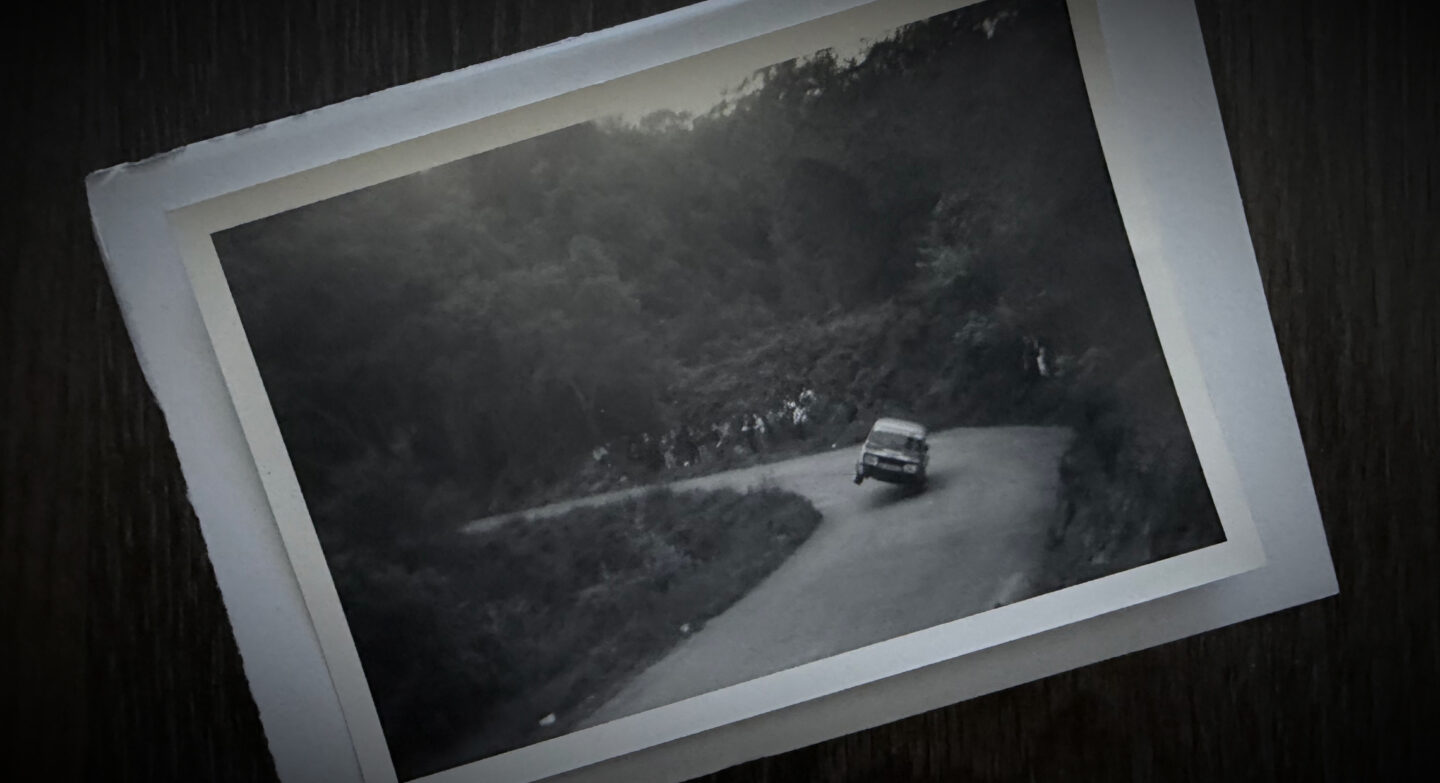
Brazo de Hierro: Completely. My father used to photograph rallies around Girona, as an amateur. I played with his camera, a Konica T4 that I still keep. I remember one photo in particular, a car climbing Els Àngels (a legendary climb in Girona), completely on two wheels through a corner. I think that’s where my interest in image was born. Later I took some courses in portraiture and film lighting, but everything else I learned on my own, through trial and error.
Dirty! My photos have grain, movement, imperfect framing. They’re not clean or academic. I learned through trial and error, and that shows in the way I photograph.
Before working in cycling I spent many years in advertising for brands like Adidas, Nike and Reebok. Little by little I moved closer to sport, first from a commercial angle and later from something much more personal.
What sets cycling photography apart from other sports photography?
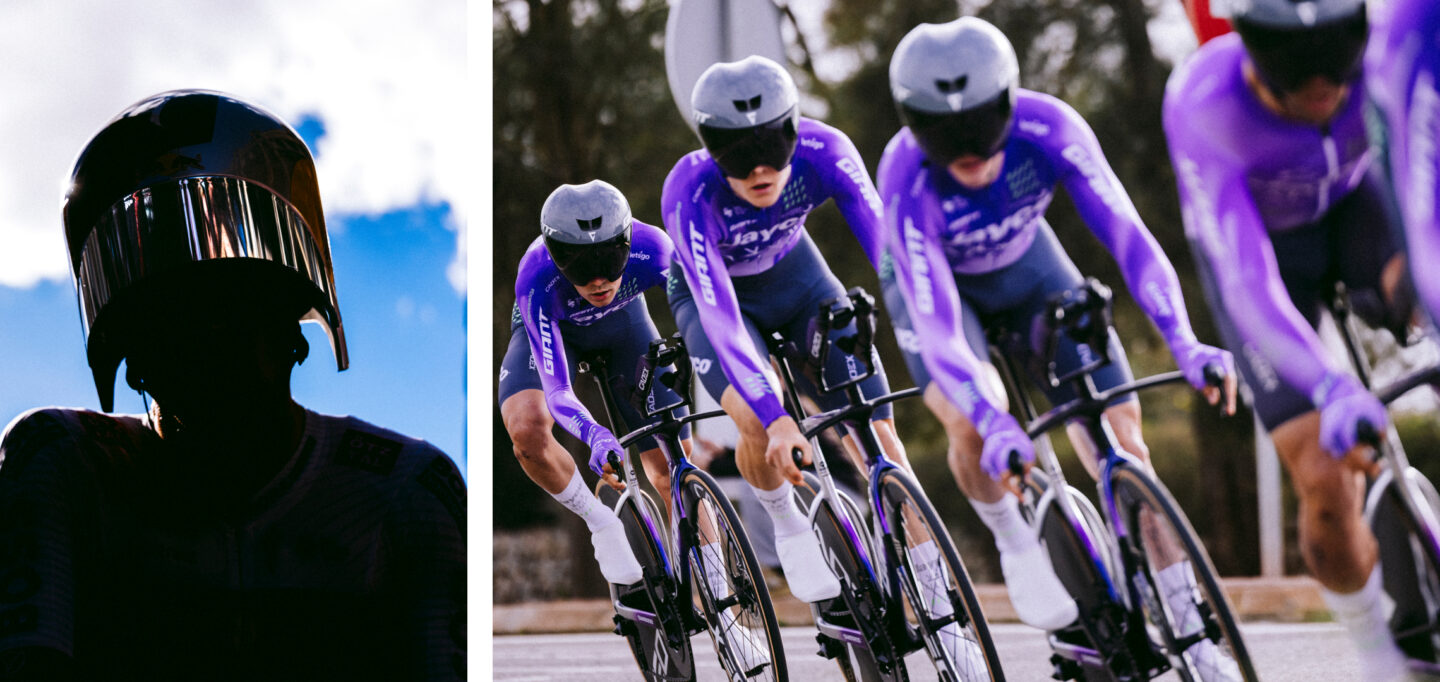
Sports photography tends to be very documentary: it’s about telling what’s happening. In cycling there was an important shift thanks to photographers like Ashley and Jered Gruber. They started showing not just the race, but everything around it: the intimate moments, the travel, the waiting, the atmosphere.
For me they opened up a new way of looking at cycling.
What equipment do you work with?
I use a Canon EOS R5 and, above all, a 24-105mm lens. I like it because it’s very versatile and doesn’t draw too much attention. During a race I usually work with just one camera and one lens.
I also own many analog cameras, though I don’t use them professionally.
During lockdown I couldn’t go out to work and a friend told me: “You’ll figure something out.”
I’d been following Gregory Crewdson’s work for a while. He works on massive productions, with film lighting and a huge team helping him build his scenes. He directs until his idea becomes real, until all that’s left for him to do is press the shutter.
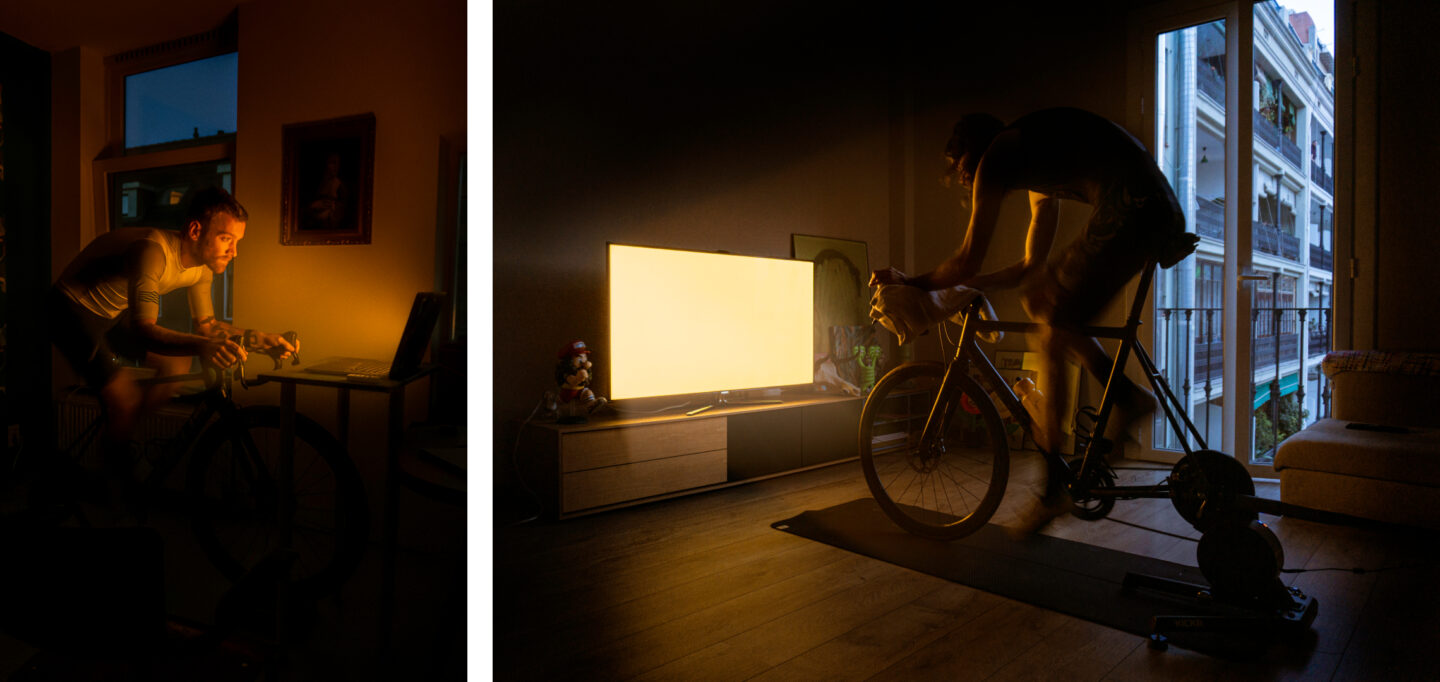
I decided to document how cyclists were training during Spain’s lockdown. I shot the photos from home. Over video call I’d tell them how to set up the camera to get the shot I wanted. Afterward they’d send me the RAW files so I could edit them all the same way.
The orange light of the screens they trained on was the thread running through the whole series.
I paired it with the blue light coming in through the windows, creating a play of cold and warm.
Over a month and a half I made seventeen photographs and ended up selecting a dozen for the project Light Behind Lockdown.
I entered one of them for the Mark Gunter Photography Awards and it won second place.
But the best part came after.
Strava saw the project and decided to buy it. At that time my dog, Atlas, needed a fairly expensive operation. Thanks to that project I could pay for it, and on top of that I received an invitation from some Japanese photographers to exhibit in a gallery in Kyoto.
Everything around those images matters far more to me than the photographs themselves. Sometimes life gives more satisfaction than money does.
“Photography brought me to the bike”
Did the bike come before photography, or the other way around?
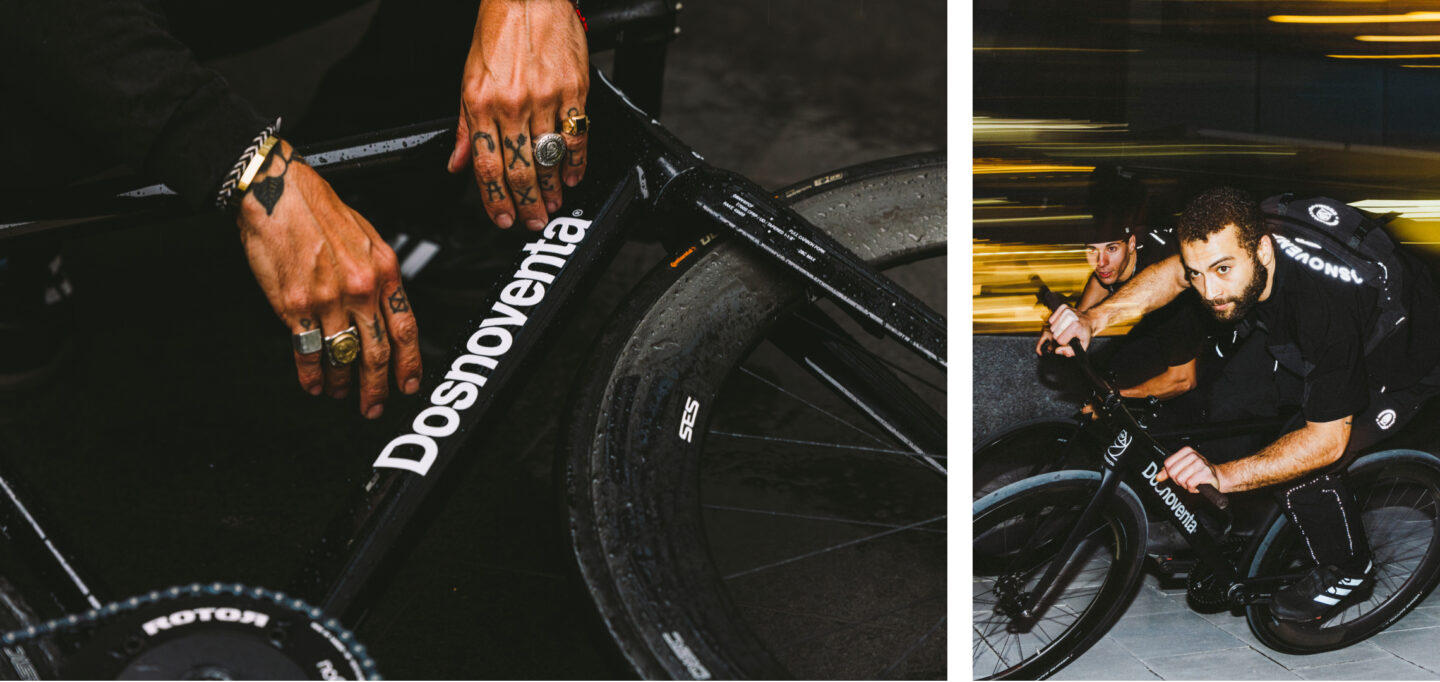
Photography brought me to the bike. I started photographing the fixed-gear boom in Barcelona, the Red Hook and the whole culture around it. I discovered the Horta velodrome, met a lot of people, and little by little moved into other disciplines: road, gravel, mountain…
Do you still ride all of that today?
Today I mainly ride road and gravel.
I try to do between 100 and 150 kilometers a week, though it depends a lot on work. I usually ride alone, and I like it because it’s my time to disconnect and put my thoughts in order.
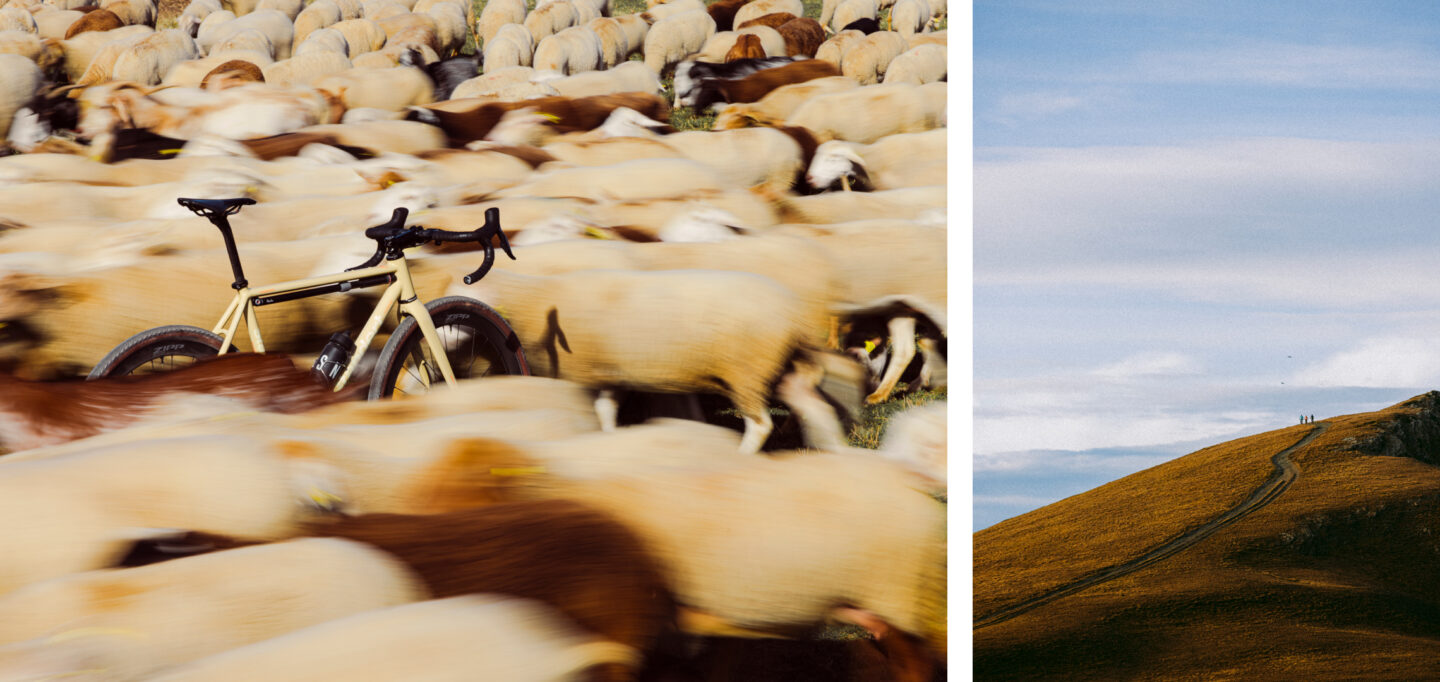
Gravel also brought me back to the roads I rode as a kid, but with a different perspective. I’m especially drawn to the more adventurous side of the discipline: pedaling without schedules or rush, just moving forward.
How many bikes do you have?
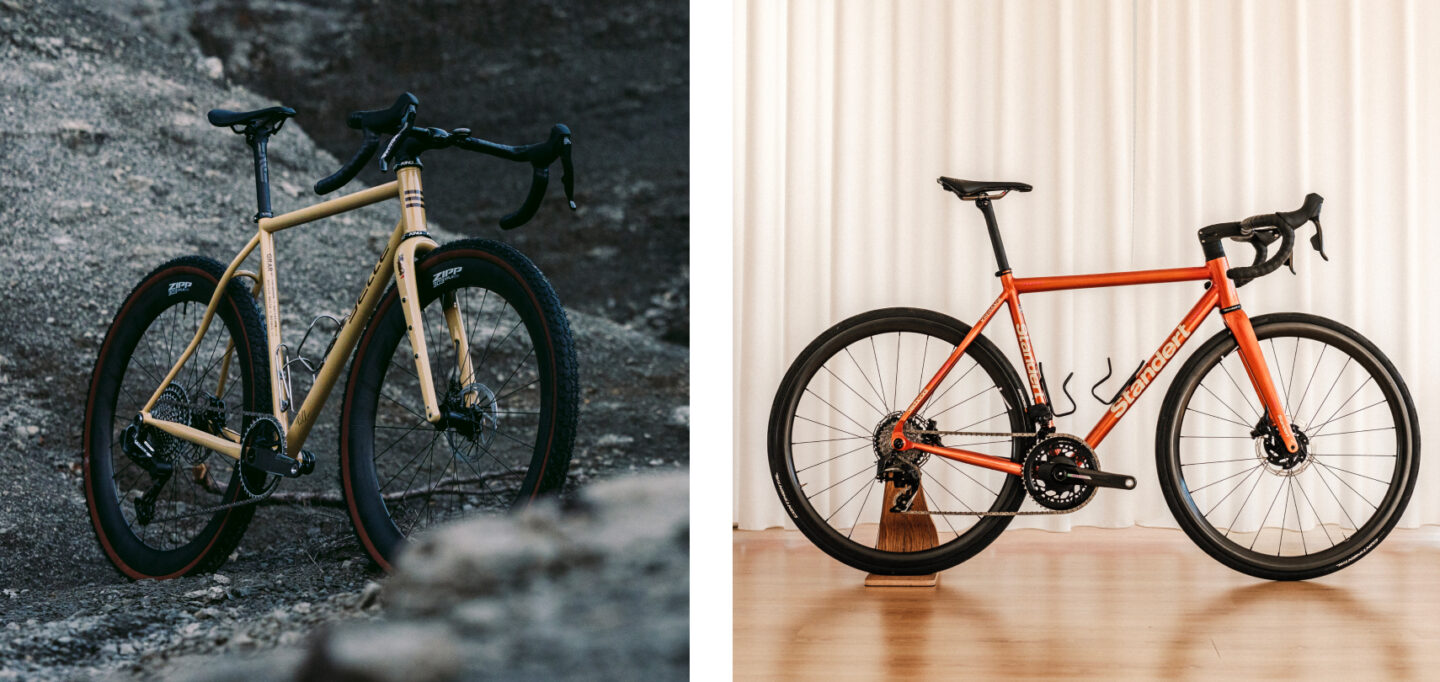
Three. A Brompton to get around the city, a gravel bike built by Italian frame builder Enrico Bellé, of the Barcelona-based brand Belle, and a Standert Kreissäge road bike.
The gravel bike carries a lot of sentimental value. It’s called Sella, after a dachshund I had who passed away a few years back.
When I wanted to switch the whole groupset from Shimano to SRAM, Enrico Bellé suggested cutting into the frame and reworking it to fit wider wheels, because the terrain around Terrassa is rough. But the original frame’s geometry wasn’t built for that, and in the end he said: “If you’re not in a rush, let’s build a completely new frame, one hundred percent gravel.” When we made the new frame, we cut the name off the old one and glued it onto the new frame, so it kept the same name. Now it’s Sella 2.0.
Completely. There’s no carbon in any of my frames. That said, I do run some carbon components: the wheels on the road bike are from Frasen Wheelworks, and the ones on the gravel bike are Zipp 303 XPLR SW. That’s where it made sense.
I’m very happy with that setup. Whether the bike weighs a bit more or less isn’t the main thing. I need to lose weight and build more strength in my legs before the bike’s weight matters.
What was your last bike-related purchase, your last splurge?
I didn’t need them, but I bought those wheels, the Zipp 303 XPLR. It was a total splurge. Let’s just say my indulgence was building a very high-end gravel bike, and a high-end road bike too.
Is there an object you always carry with you when you ride?
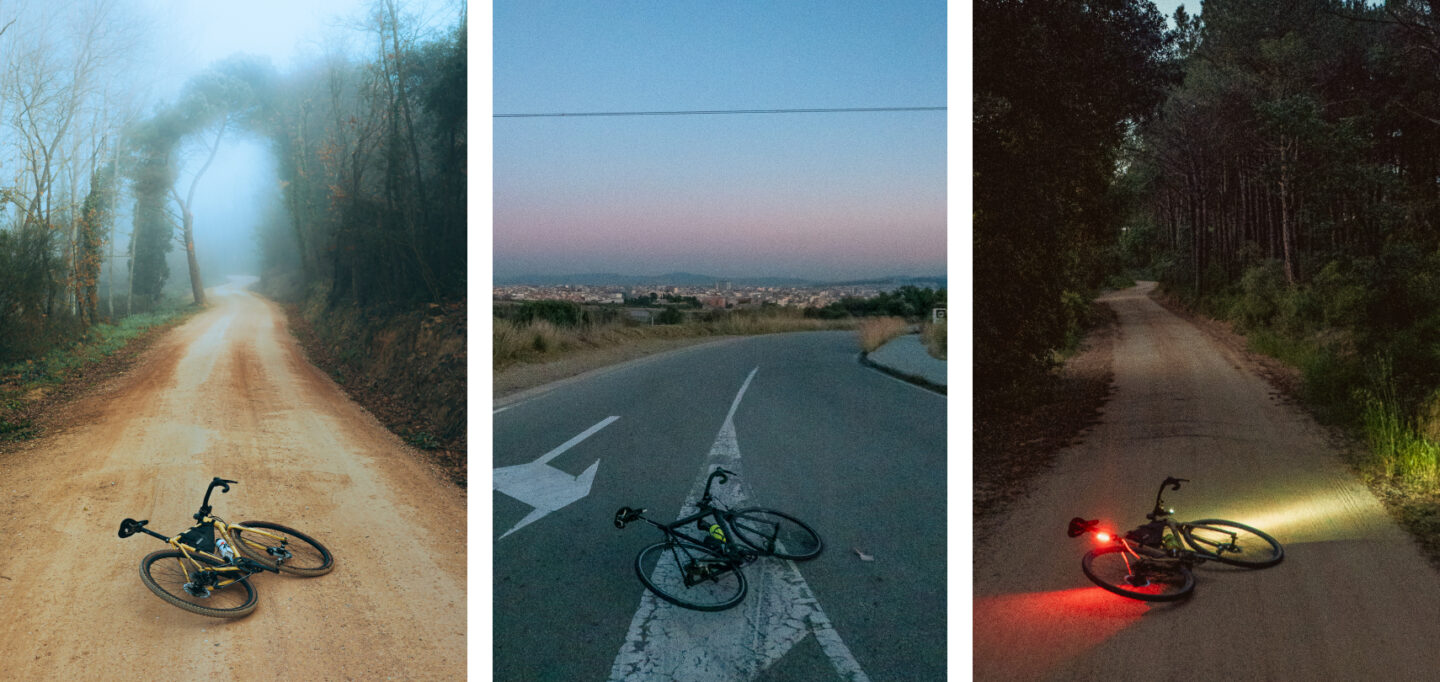
As a photographer, I’m always observing. I like catching curious moments. For example, I have an ongoing project called “All Bikes on the Floor”: photos of bikes lying on the ground in unusual places.
That’s why I always carry a Ricoh GR3x, a very small and light camera, along with my phone.
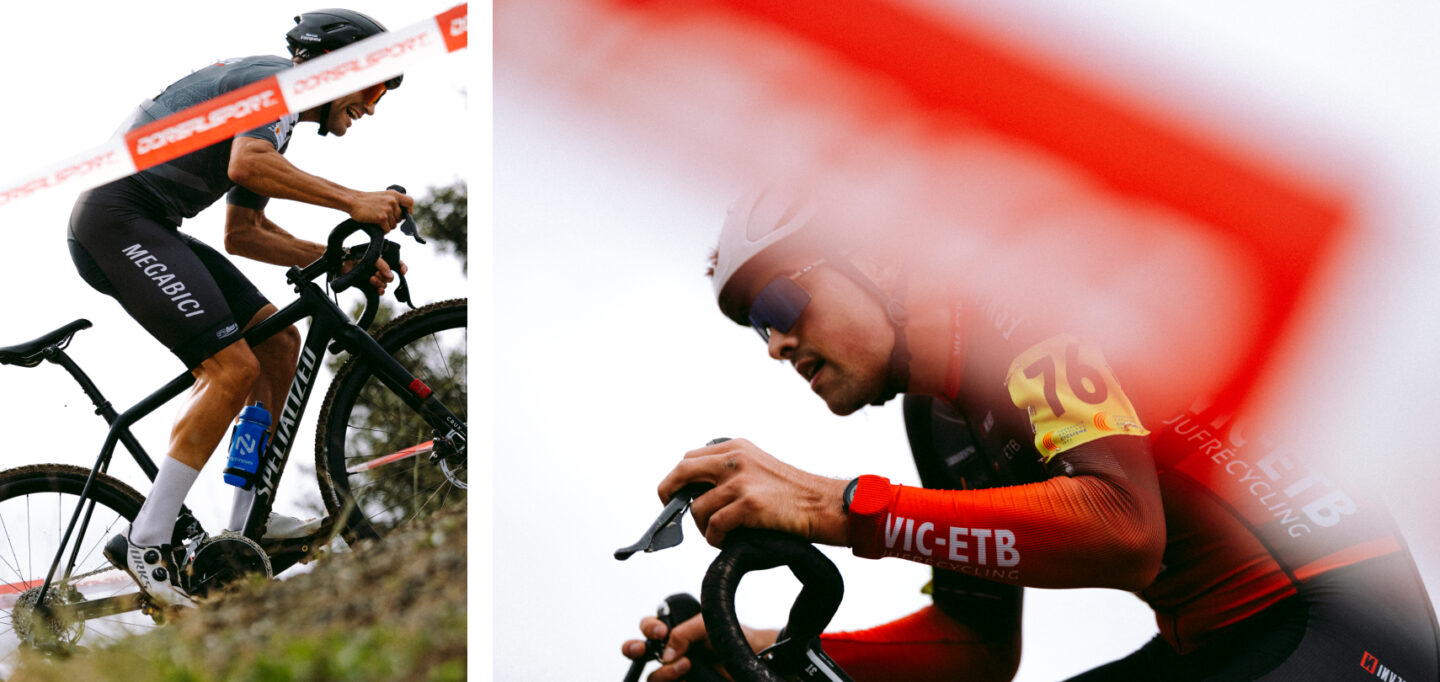
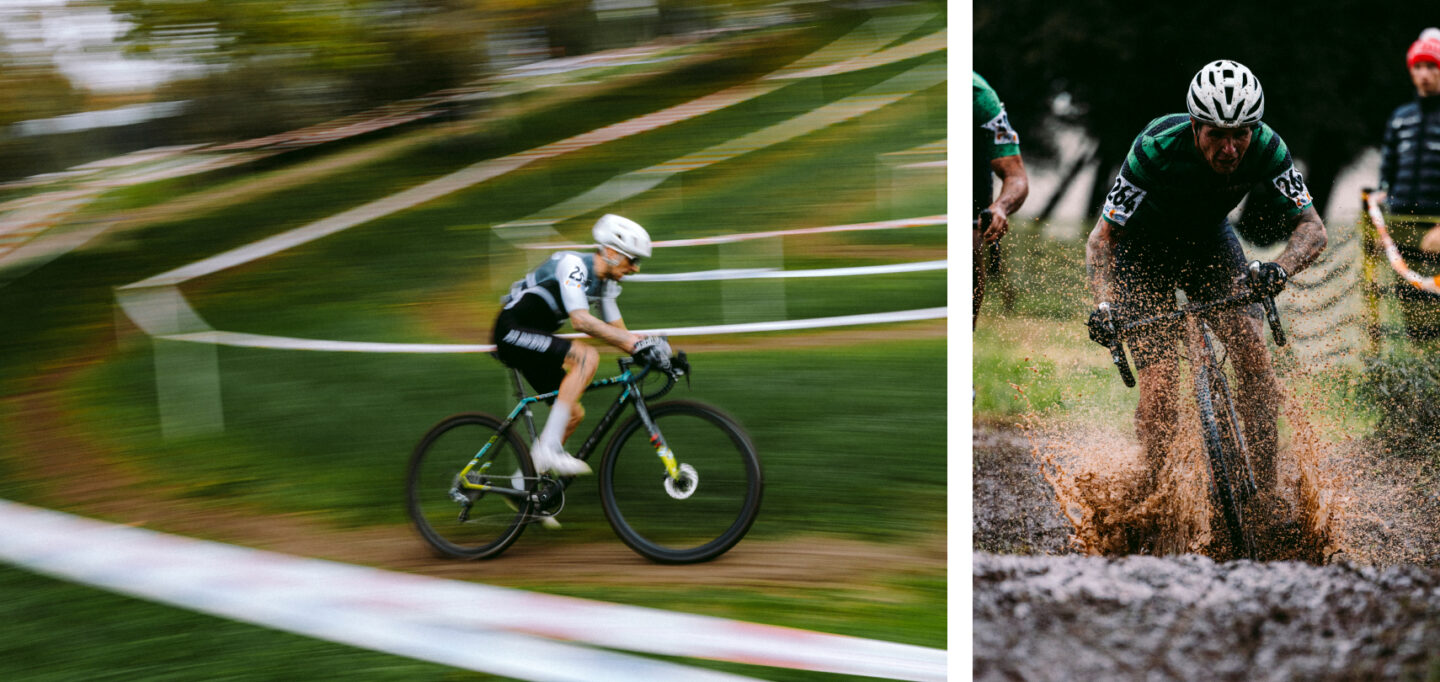
I’ve been photographing cyclocross in Catalonia for more than ten years. It’s a discipline I love, both for the intensity of the races and for its visual potential. I go for the passion, not for the money. Riders often tell me that thanks to my photos, they look like professionals. That makes me really happy.
For years I published calendars, and later a small book, Mud or Glory, which sold out within days and ended up traveling to Japan, Australia, the United States and Costa Rica.
Right now I’m working on a book about these ten years following the Catalan Cyclocross Cup.
I don’t work for anyone there. I go, I take photos, I talk to people, I try things out. If I get photos, great. If not, that’s fine too.
“Take photos. That’s it. Practice, and everything else will follow.”
What advice would you give someone who wants to get into photography?
A lot of people ask me how you end up working with big brands, and honestly I don’t know how to answer that. I’ve simply kept working and showing what I do.
But I also think you have to grow step by step and learn to value your own work. It doesn’t matter what level you’re at: never think your time is worth nothing. Because there’s always far more behind a photograph than what people see.
About Barcelona
Now imagine a cyclist visiting Barcelona and its surroundings for the first time. In your view, what are the must-see spots in the area?
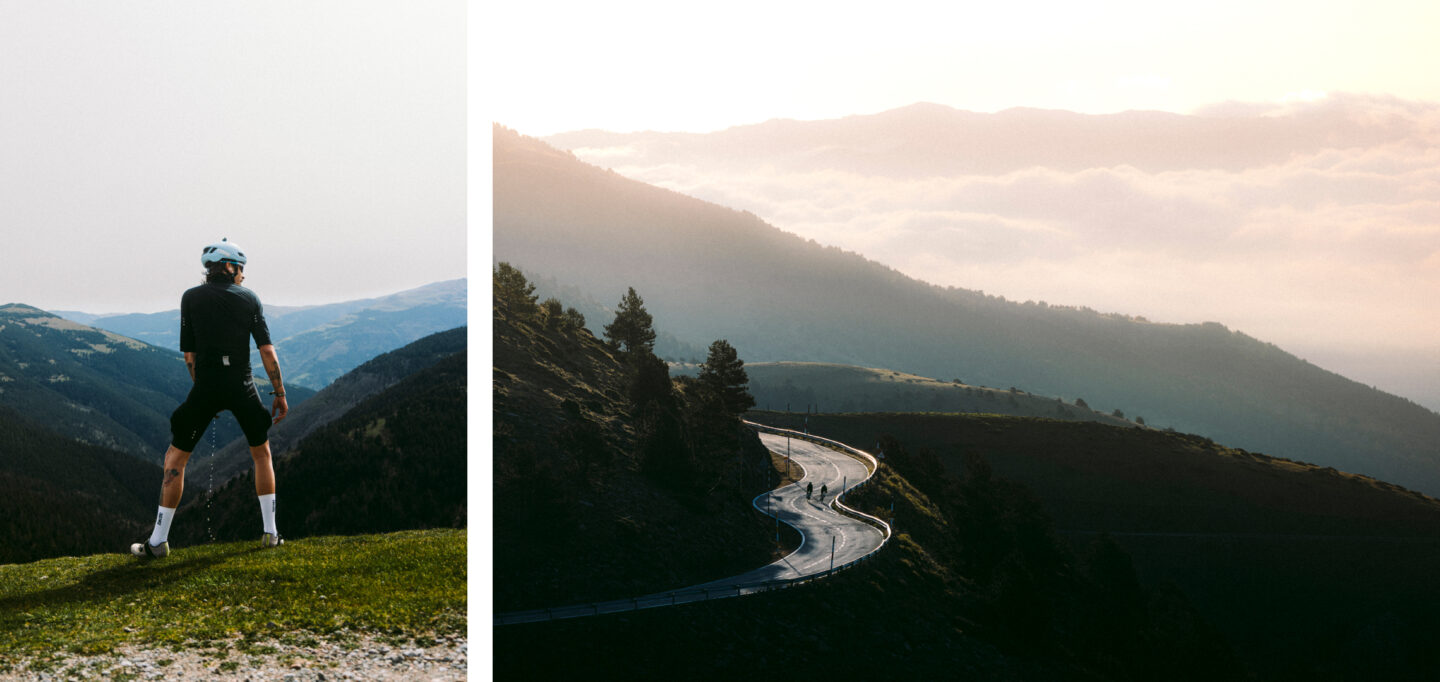
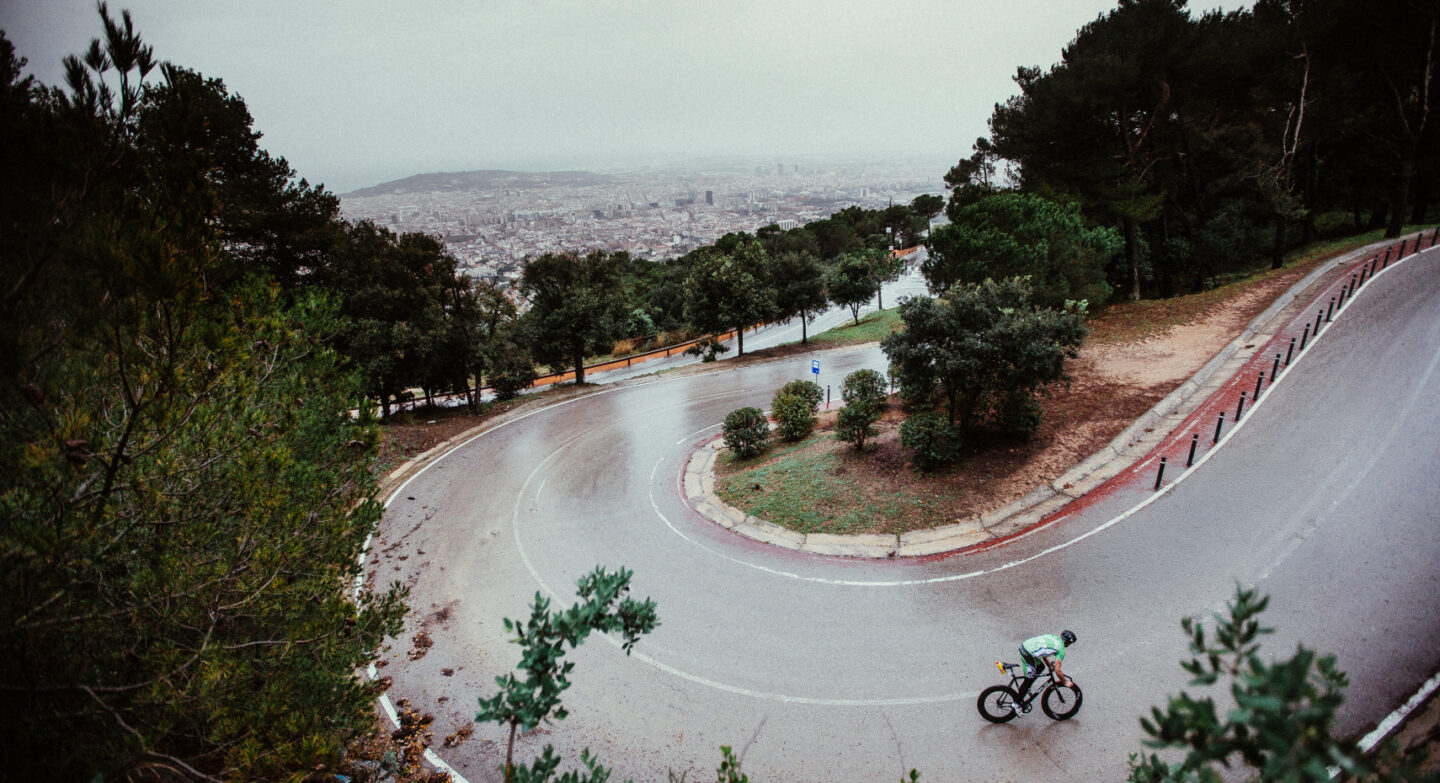
In Barcelona you have to ride up Tibidabo. The views are stunning, and the best time is early morning, when there’s no one around and no traffic, so you can watch the sun come up.
Montserrat is also well worth it, with several climbing routes. The Costes del Garraf are great too, though they see a fair amount of traffic. And even though I live here, the area around Terrassa toward Castellar and behind the Sant Llorenç mountain is spectacular. It has endless roads, and for gravel it’s a beautiful area with very few people around.
Another must is the Penedès, the wine region. You could compare it to Belgian cycling terrain, but among vineyards, with plenty of short punchy climbs and changing scenery.
The Barcelona area is incredibly complete for exploring by bike. In a single week you can have it all: mountains, coast, flatlands and vineyards.
One last question: if you could only take one photo to sum up this journey through the Barcelona area, where would you take it?
I’d take it climbing toward Tibidabo, on the last right-hand bend before reaching the top, where there’s a viewpoint with an incredible view over the whole city. For road cycling, that’s the spot.
There are also several spots along the Camí de les Aigües with beautiful views of Barcelona. But I think the image that best sums up the city is from Collserola, looking toward Barcelona, especially at sunrise: the city below and the Sagrada Familia in the background. It’s incredible.
Discover Brazo de Hierro’s work on Instagram: @brazodehierro